
I. About Intermittent Fasting
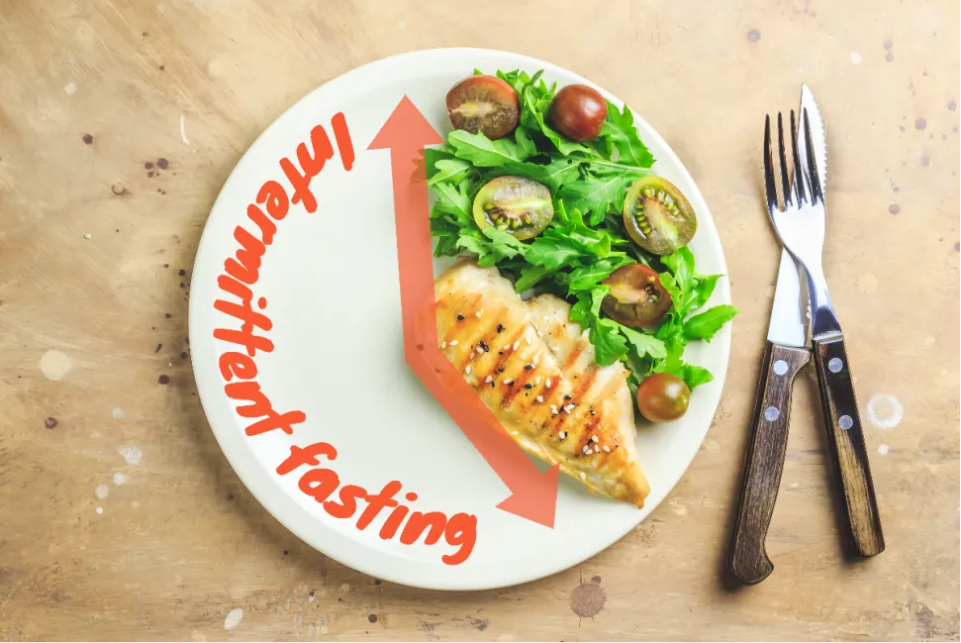
Intermittent fasting is popular. It promises weight loss, improved metabolism, and reduced inflammation. A common practice is to eat only eight hours a day, or eat normally for five days and then consume only 500-600 calories for two days.
Registered dietitian Ana Reisdorf does not recommend it to everyone. Some people experience adverse effects after trying it. Here are five groups of people.
II. Group One: Pregnant Women
Pregnant women need a stable supply of nutrients. The fetus is growing. The mother’s body is supporting two people.
A fasting window means compressed nutrient intake. Insufficient calories can affect fetal development. This is not the time for weight loss; it’s the time for nourishment.
Reisdorf does not recommend any pregnant woman try intermittent fasting. The risks are too high, and the benefits too low.
III. Group Two: People Over 40
Muscle mass begins to decline from age 40. This is called sarcopenia. It’s a natural process, but it can be slowed down.
Intermittent fasting makes protein intake difficult. For many, cramming in their daily protein needs within an eight-hour eating window is impossible.
Insufficient protein leads to faster muscle loss. Metabolic rate decreases accordingly. Cortisol, the stress hormone, rises.
Reisdorf says that for people over 40 or 50, the cost of intermittent fasting is muscle. And once muscle is lost, it’s very difficult to regain.

IV. The Third Category: People Around Menopause
Hormones are changing. Estrogen levels drop, insulin sensitivity decreases. The body’s tolerance to stress decreases.
Intermittent fasting is a stressor. Both physically and mentally.
Reisdorf points out that women in menopause and perimenopause who consume too little calories and protein experience fatigue, hair loss, muscle loss, and further hormonal imbalances. Their bodies cannot withstand the extra burden of “eating less.”
This is not a matter of willpower. It’s a matter of physiological structure.
V. Category Four: Athletes
Athletes need fuel. Training is intensive, and recovery requires even more.
Intermittent fasting compresses eating time, meaning consuming more food in a shorter period. Many people cannot do this. The result is insufficient calories and protein.
Declining performance. Slower recovery. Muscle breakdown.
Reisdorf says that athletes already have high nutritional needs, and fasting only makes them “fuel-deficient.”
VI. Category Five: People Taking GLP-1 Drugs
GLP-1 drugs themselves suppress appetite. Smegglutinin, telpoxetine, these drugs make you feel full.
Combined with intermittent fasting, you may not be able to eat enough food during the eating window. Both calories and protein are insufficient.
Reisdorf warns that these two factors combined dramatically increase the risk of muscle loss and fatigue. This is not one plus one equals two; it’s one plus one equals danger.
VII. Easily Overlooked Warning Signs
Setbacks are common. Reisdorf has seen far too many people only realize something is wrong when their bodies send out warning signals.
Warnings include: persistent fatigue; significant hair loss; muscle loss without weight loss; and complete weight stagnation.
Many people believe they are “eating healthily” when they are actually not eating enough. Intermittent fasting masks this—because they are not hungry, they assume they are getting enough nutrition. But hunger and adequate nutrition are two different things.
VIII. Psychological Costs
Intermittent fasting amplifies the tension between a person and food.
Increased compulsive thinking about food; revenge eating after fasting ends; black-and-white thinking—”I am fasting” or “I broke my diet.”
Reisdorf says that for some, intermittent fasting makes an “all or nothing” mentality worse. This is not a dietary method; it’s a psychological trap.
IX. In Conclusion
Intermittent fasting works for some people. There is research to support its benefits. But not for everyone.
Reisdorf’s advice is simple: if you belong to any of the five groups mentioned above, find another method. There are many ways to lose weight; you don’t have to choose a path that will harm you.
The body is not a machine. It won’t operate precisely according to your plan. It will tire, it will protest, it will break down.
Listen to its signals. Before it sends out alarms.