I. Snacks Aren’t the Problem, the Problem Is What You’re Eating
Spring is here, and the topic of weight loss is hot again. Supermarket shelves are filled with packaged foods labeled “healthy,” “low-calorie,” and “high-protein,” and fitness bloggers on social media recommend various “won’t make you fat” snacks.
But the truth is: snacks themselves aren’t the enemy. The enemy is what makes you hungrier after you’ve eaten them.
Registered dietitian Kezia Joy has seen too many cases like this—people think they’re making healthy choices, but they’re actually just eating another form of junk food. The difference is that junk food is at least honest; it doesn’t pretend to be good for you.
II. Good Snacks Need Three Conditions
Joy’s criteria are simple, so simple that it makes you wonder why a professional is needed to confirm them:
Protein, healthy fats, and fiber. All three are indispensable.
Protein is the foundation. It keeps you full for longer, digests slowly, and doesn’t cause a blood sugar rollercoaster like refined carbohydrates. Healthy fats provide sustained energy. Fiber, like a sponge, expands in the stomach, taking up space and sending a “enough” signal to the brain.
These three things together create a feeling of fullness. Not the false satisfaction that disappears ten minutes after eating chips, but a real feeling of fullness that lasts until the next meal.
Three or Five Choices That Won’t Betray You
Joy’s five most frequently recommended snacks are none of them novel, trendy, or require special orders:
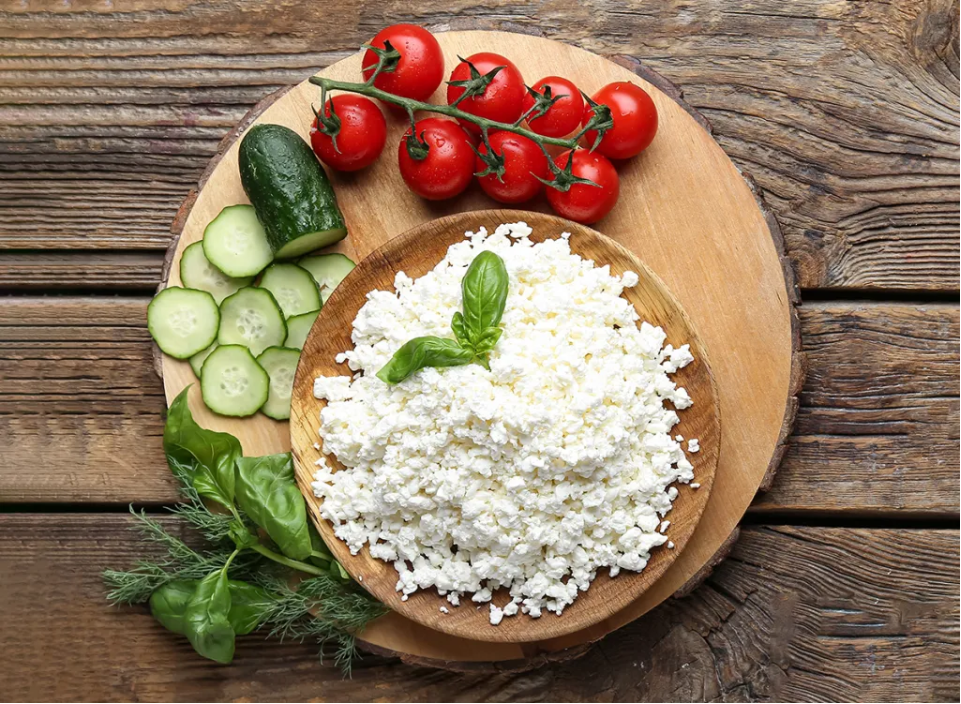
First, cottage cheese with vegetables. Cottage cheese has an amazing protein content, and vegetables provide fiber and volume. You can eat a lot without being high in calories.
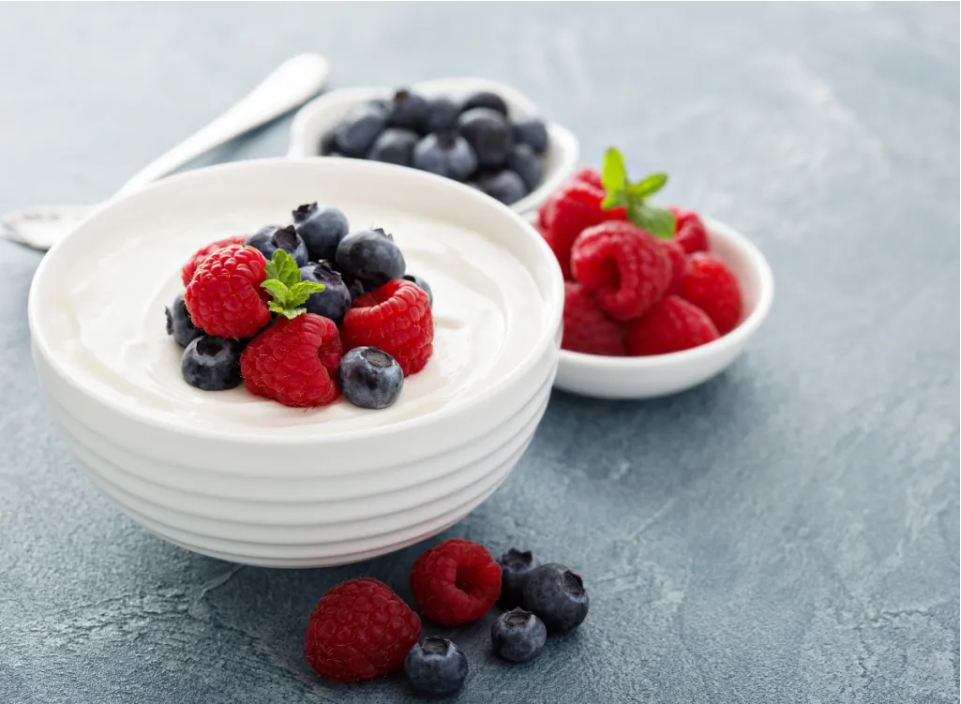
Second, Greek yogurt with fresh berries. Greek yogurt has twice the protein of regular yogurt, and berries are low in sugar, high in fiber, and rich in antioxidants. Add a little cinnamon or chia seeds for even better flavor.
Third, hummus with raw vegetables. Carrots, cucumbers, bell peppers, celery—any crunchy vegetable works. Hummus provides protein and fat, while vegetables provide fiber and the satisfaction of chewing.
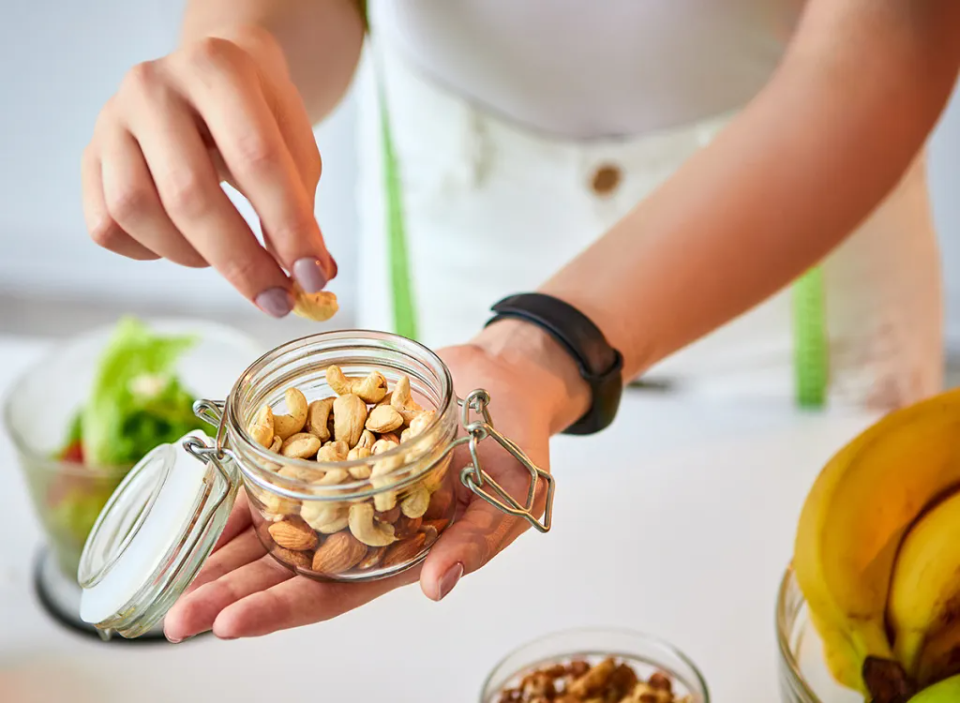
Fourth, a handful of nuts with a piece of fruit. Nuts are healthy in fat but calorie-dense, so “a handful” is key—about an ounce, not a handful. Fruit provides natural sweetness and fiber.
Fifth, whole-food protein shakes. Not those sugary sports drinks, but made with real ingredients: protein powder, berries, chia seeds, or flax seeds, with water instead of juice as a base.
These options have in common: they take less than five minutes to prepare, require no special cooking skills, and are available in any supermarket.
IV. Why Most Snacks Make You Hungrier
Most snacks on supermarket shelves have one thing in common: they are designed to make you unable to stop eating.
Refined carbohydrates and added sugars are the main tools. They make food taste good, digest quickly, and cause blood sugar to rise and fall rapidly. When it drops, you’re hungrier than before you ate. So you eat again. And again.
These snacks have almost no nutritional value. They provide calories, but not satiety. They are “empty calories”—a precise term, like an empty promise, sounding good but containing nothing.
Joy puts it bluntly: “Most snacks are designed to let you eat as much as possible without getting much nutrition.” This isn’t a conspiracy theory; it’s the basic logic of the food industry.
V. Stable Blood Sugar, Stable Hunger
Here’s a less-discussed mechanism: the relationship between blood sugar fluctuations and hunger.
When you eat foods high in sugar or refined carbohydrates, your blood sugar spikes. Insulin kicks in to bring it down. When it’s too low, the brain receives a “low energy” signal, and you feel hungry. This hunger isn’t a real need; it’s a byproduct of the blood sugar rollercoaster.
Protein and fiber digest slowly, resulting in a gradual rise and fall in blood sugar. Without dramatic fluctuations, there are no false hunger signals. This is why the snacks Joy recommends can keep you “satisfied until the next meal”—not because of willpower, but because you physiologically don’t need to eat.
“If you can control your hunger, you can control your intake of processed foods,” Joy said. This sounds like common sense, but common sense is often the hardest thing to hear after being drowned out by marketing noise.
VI. In Conclusion
Weight loss isn’t about deprivation, it’s about choice. Choose foods that truly nourish you, not things that just fill your stomach.
Snacks can be allies or traps. The difference lies in whether you’re willing to spend a few seconds looking at the ingredient list, whether you’re willing to drink a glass of water and wait fifteen minutes when you’re hungry, and whether you’re willing to accept the less-than-popular fact: foods that are truly good for you often don’t need fancy packaging or influencer recommendations.
Spring will pass, summer will come. Your choices will leave their mark, on your body and in your attitude towards food.